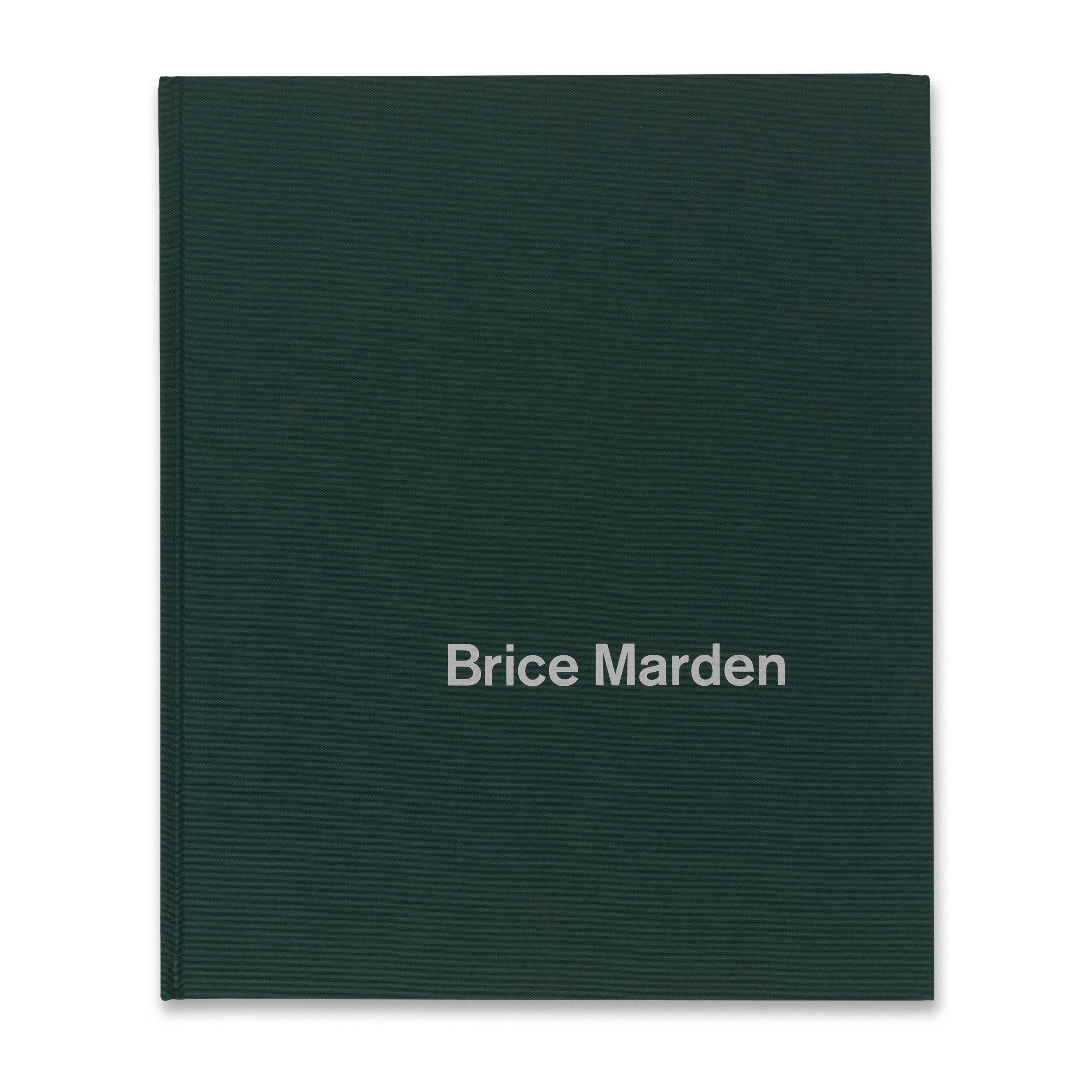
Brice Marden: Cold Mountain Studies
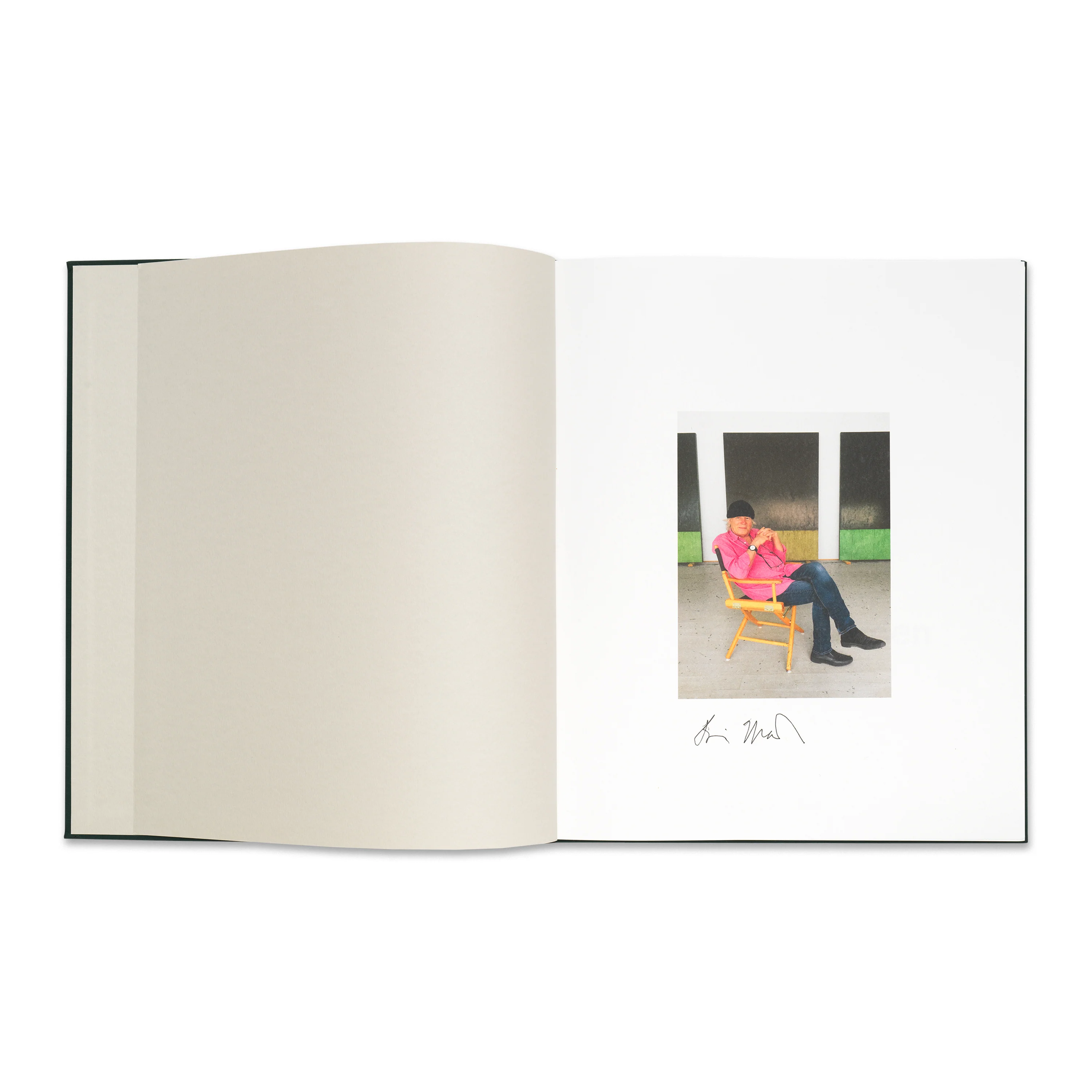
This book documents and reproduces Cold Mountain Studies, a sketchbook of thirty-five line drawings produced by Brice Marden between March 1988 and November 1990. The drawings—most of which are in black ink, with a few also including a gouache component—were made in New York, London, Berlin, Hydra, and St. Barthélémy, and represent a key creative experiment en route to the artist’s acclaimed Cold Mountain paintings of the same period. Marden credited the ninth-century Chinese monk and poet Hanshan (“Cold Mountain”) and translator Bill Porter with inspiring the stylistic shift from monochrome to calligraphic painting heralded by these works.
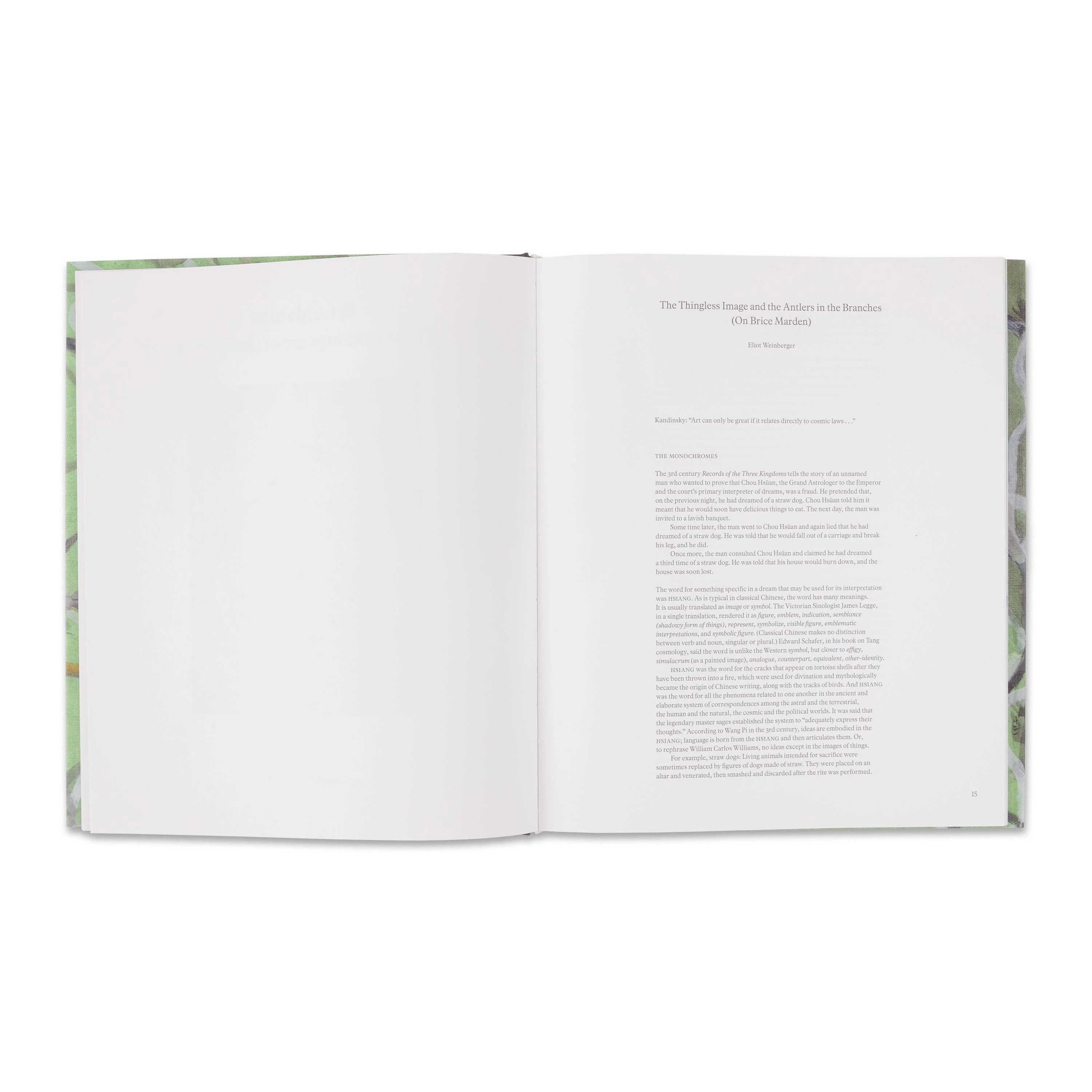
In addition to reproductions of the works, the bilingual (English/German) publication includes introductory notes by Heiner Bastian illuminating the rhythmic, mercurial quality of Cold Mountain Studies, the drawings’ status as expressions of “visual thought” in their own right, and their encapsulation of Marden’s intimacy with nature.
Product Information
Product Information
Shipping & Returns
Shipping & Returns
Description
This book documents and reproduces Cold Mountain Studies, a sketchbook of thirty-five line drawings produced by Brice Marden between March 1988 and November 1990. The drawings—most of which are in black ink, with a few also including a gouache component—were made in New York, London, Berlin, Hydra, and St. Barthélémy, and represent a key creative experiment en route to the artist’s acclaimed Cold Mountain paintings of the same period. Marden credited the ninth-century Chinese monk and poet Hanshan (“Cold Mountain”) and translator Bill Porter with inspiring the stylistic shift from monochrome to calligraphic painting heralded by these works.
In addition to reproductions of the works, the bilingual (English/German) publication includes introductory notes by Heiner Bastian illuminating the rhythmic, mercurial quality of Cold Mountain Studies, the drawings’ status as expressions of “visual thought” in their own right, and their encapsulation of Marden’s intimacy with nature.