

Nathaniel Mary Quinn
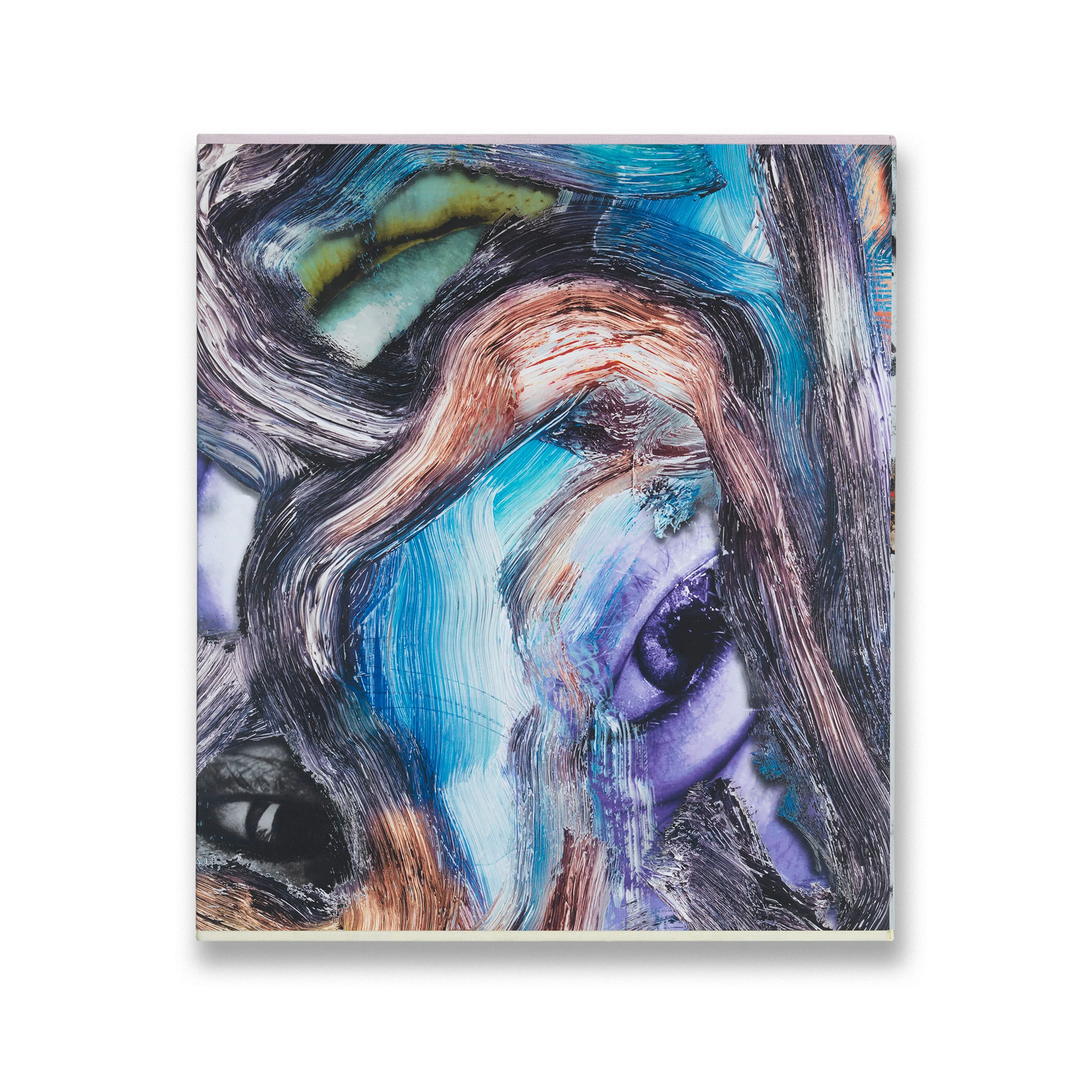
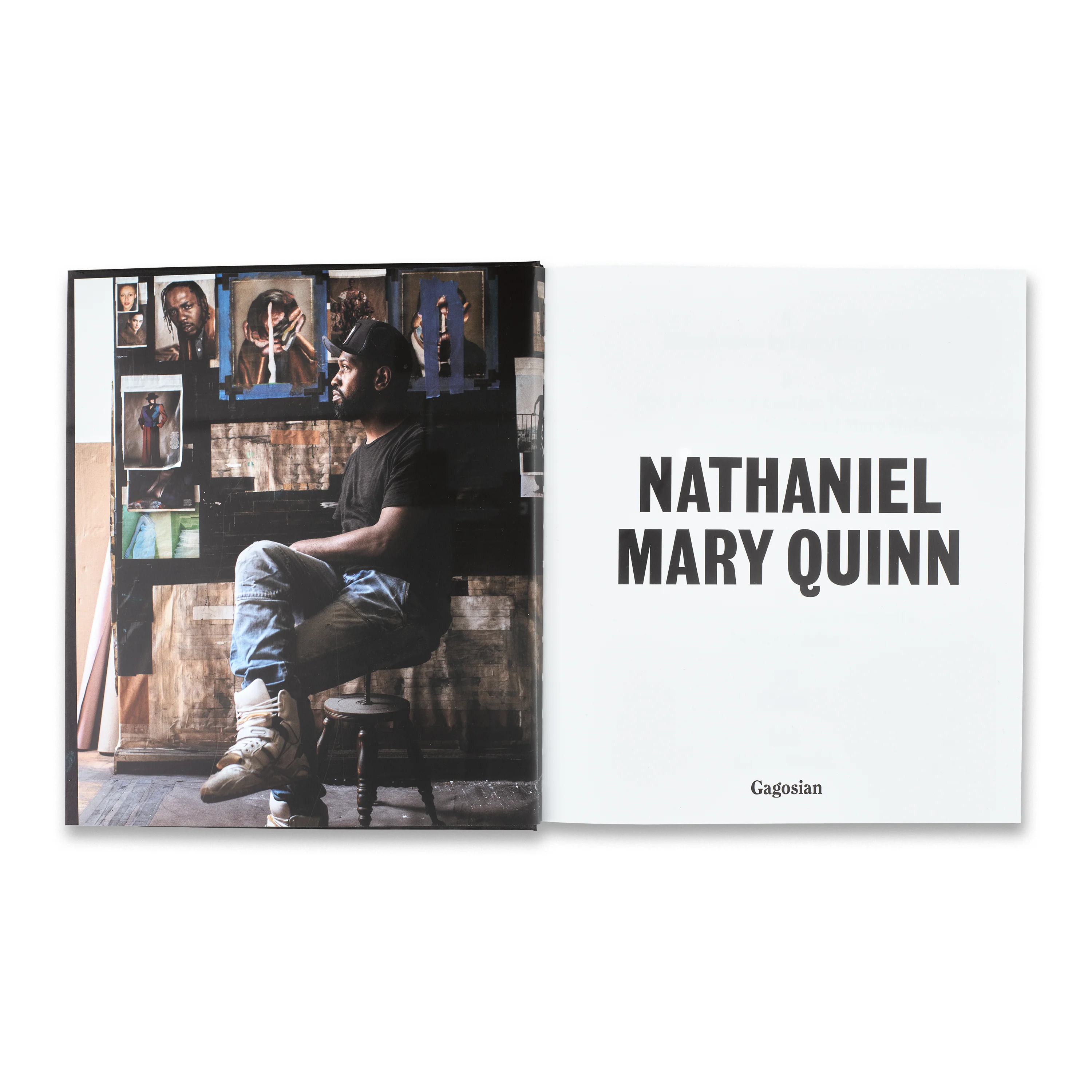
This monograph is the first comprehensive survey of Nathaniel Mary Quinn’s work, featuring paintings made over the last decade, beginning in 2013. Quinn combines bodily fragments derived from multiple sources both personal and found in the mass media. Working without preliminary sketches, he forms composite images of faces and figures that resemble collages but are in fact painted and drawn. Developed with oil paint, charcoal, gouache, oil stick, and pastel, these works address the hybridity of perception and identity.
The book includes over 125 color plates illustrating Quinn’s paintings, along with studio photographs that offer insights into his process. It begins with an introduction by Larry Gagosian, followed by an essay by Andrew Winer discussing Quinn’s work in terms of representation, abstraction, and memory. The volume also features a conversation between the artist and Sarah Elizabeth Lewis that offers firsthand insights into his practice, as well as an essay by Dawn Ades contextualizing Quinn’s work in relation to modern and contemporary collage, painting, and portraiture.
Original: $120.00
-65%$120.00
$42.00Product Information
Product Information
Shipping & Returns
Shipping & Returns
Description
This monograph is the first comprehensive survey of Nathaniel Mary Quinn’s work, featuring paintings made over the last decade, beginning in 2013. Quinn combines bodily fragments derived from multiple sources both personal and found in the mass media. Working without preliminary sketches, he forms composite images of faces and figures that resemble collages but are in fact painted and drawn. Developed with oil paint, charcoal, gouache, oil stick, and pastel, these works address the hybridity of perception and identity.
The book includes over 125 color plates illustrating Quinn’s paintings, along with studio photographs that offer insights into his process. It begins with an introduction by Larry Gagosian, followed by an essay by Andrew Winer discussing Quinn’s work in terms of representation, abstraction, and memory. The volume also features a conversation between the artist and Sarah Elizabeth Lewis that offers firsthand insights into his practice, as well as an essay by Dawn Ades contextualizing Quinn’s work in relation to modern and contemporary collage, painting, and portraiture.