

Richard Artschwager: Texts and Interviews
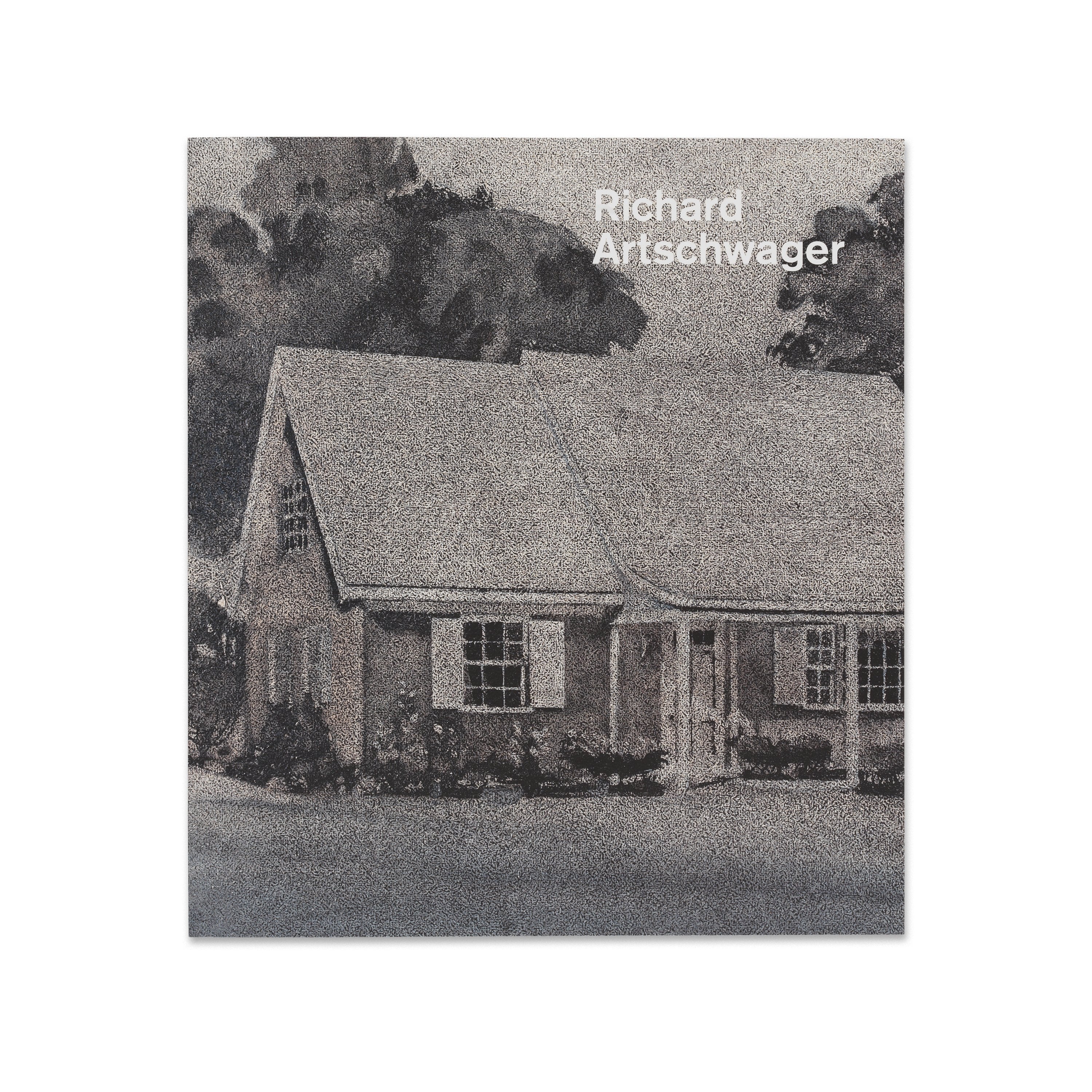
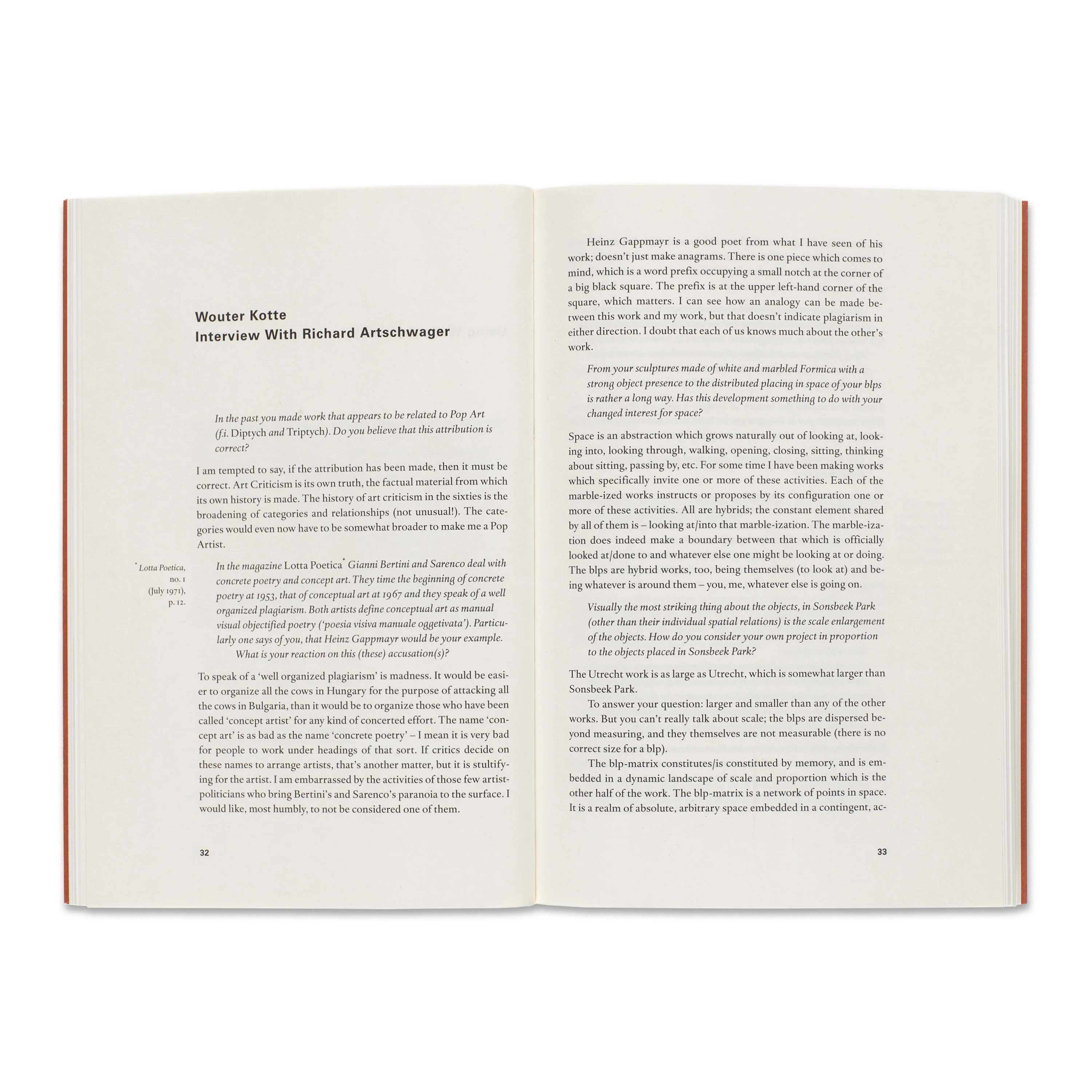
Edited by Dieter Schwartz, this book gathers texts written by and interviews conducted with Richard Artschwager between 1965 and 2001, from published sources as well as the artist’s notebooks. Artschwager consistently addressed aspects of his practice in reflections, statements, and articles, expressing his working methods and the philosophical questions with which he was concerned. In collecting many of these articulations, the volume helps to illuminate a playful but sometimes enigmatic oeuvre. The artist’s remarks on other artists and art-world figures, such as Joseph Beuys, Leo Castelli, Malcolm Morley, and Gerhard Richter, as well as his contributions to various journals and exhibition catalogues, are also included.
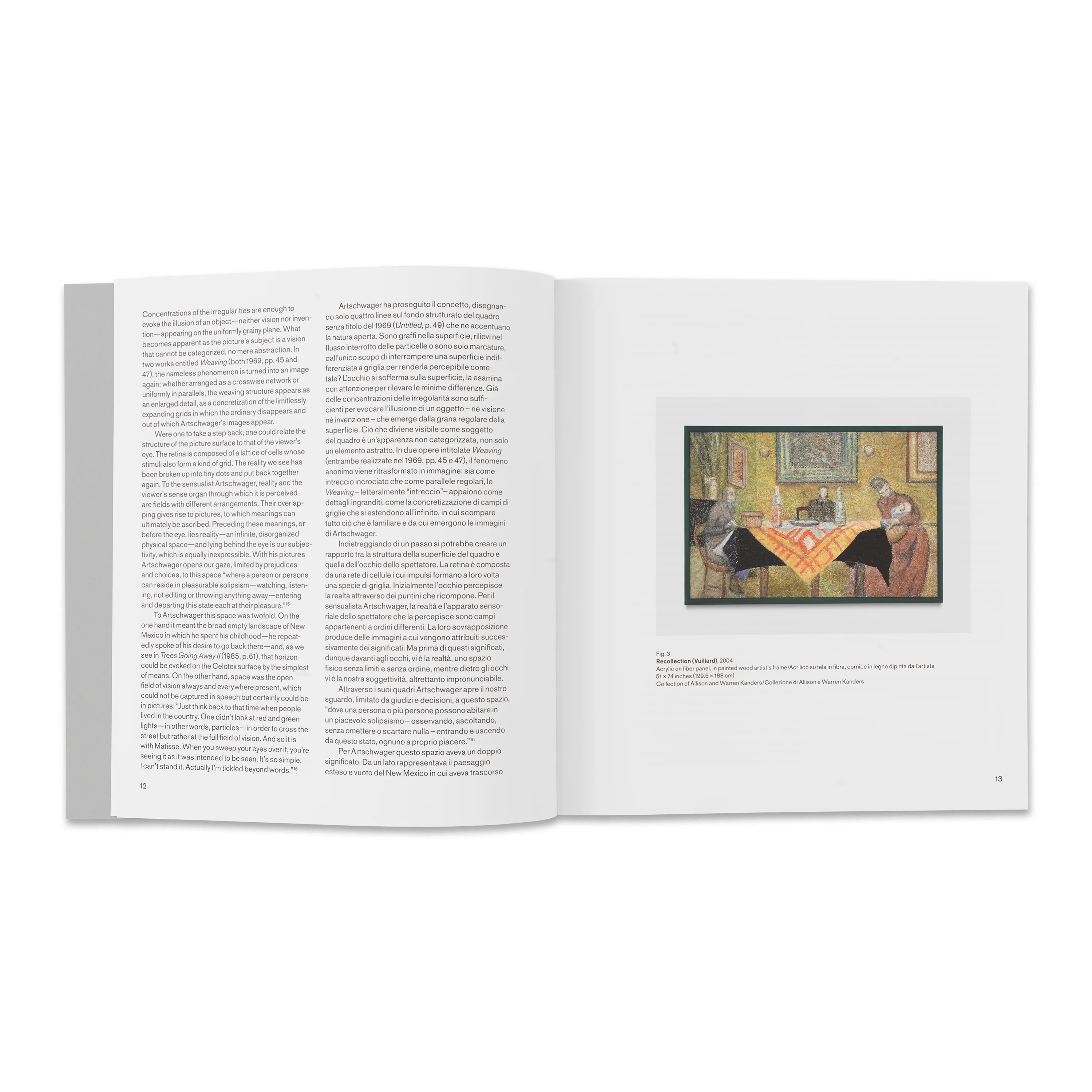
The publication is illustrated with color and black-and-white reproductions of Artschwager’s images and artworks and includes a concluding note by Schwartz that summarizes the intent of the book: to “provide a sharply focused view of Artschwager’s work and, just here and there, of his personality too.”
Original: $85.00
-65%$85.00
$29.75Product Information
Product Information
Shipping & Returns
Shipping & Returns
Description
Edited by Dieter Schwartz, this book gathers texts written by and interviews conducted with Richard Artschwager between 1965 and 2001, from published sources as well as the artist’s notebooks. Artschwager consistently addressed aspects of his practice in reflections, statements, and articles, expressing his working methods and the philosophical questions with which he was concerned. In collecting many of these articulations, the volume helps to illuminate a playful but sometimes enigmatic oeuvre. The artist’s remarks on other artists and art-world figures, such as Joseph Beuys, Leo Castelli, Malcolm Morley, and Gerhard Richter, as well as his contributions to various journals and exhibition catalogues, are also included.
The publication is illustrated with color and black-and-white reproductions of Artschwager’s images and artworks and includes a concluding note by Schwartz that summarizes the intent of the book: to “provide a sharply focused view of Artschwager’s work and, just here and there, of his personality too.”