Sirens: Jenny Saville at Casa Malaparte
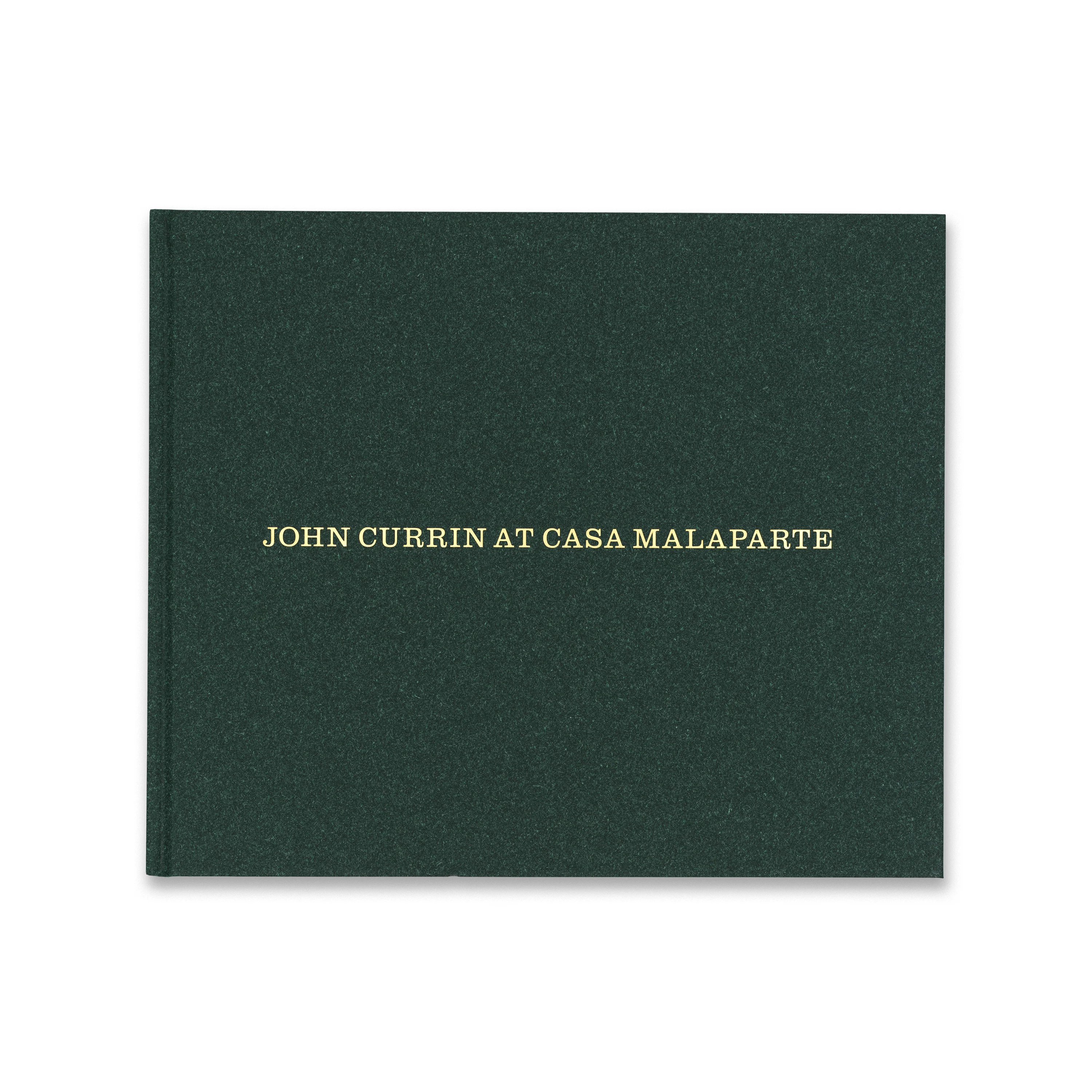
This book was published on the occasion of Sirens: Jenny Saville at Casa Malaparte, a one-night-only exhibition in July 2021 at Casa Malaparte, the famous cliffside house built on the Italian island of Capri by Curzio Malaparte (the pseudonym of Kurt Erich Suckert), a provocative writer, editor, and intellectual active in the Italian literary and artistic avant-garde. Vibrant and gestural, Saville’s figurative paintings and works on paper included in the exhibition are titled after sirens, goddesses, and other figures from classical mythology. She worked on one monumental work, The Sirens (2021), in situ on Casa Malaparte’s iconic roof terrace overlooking the Bay of Naples—the legendary home of these mythic creatures.
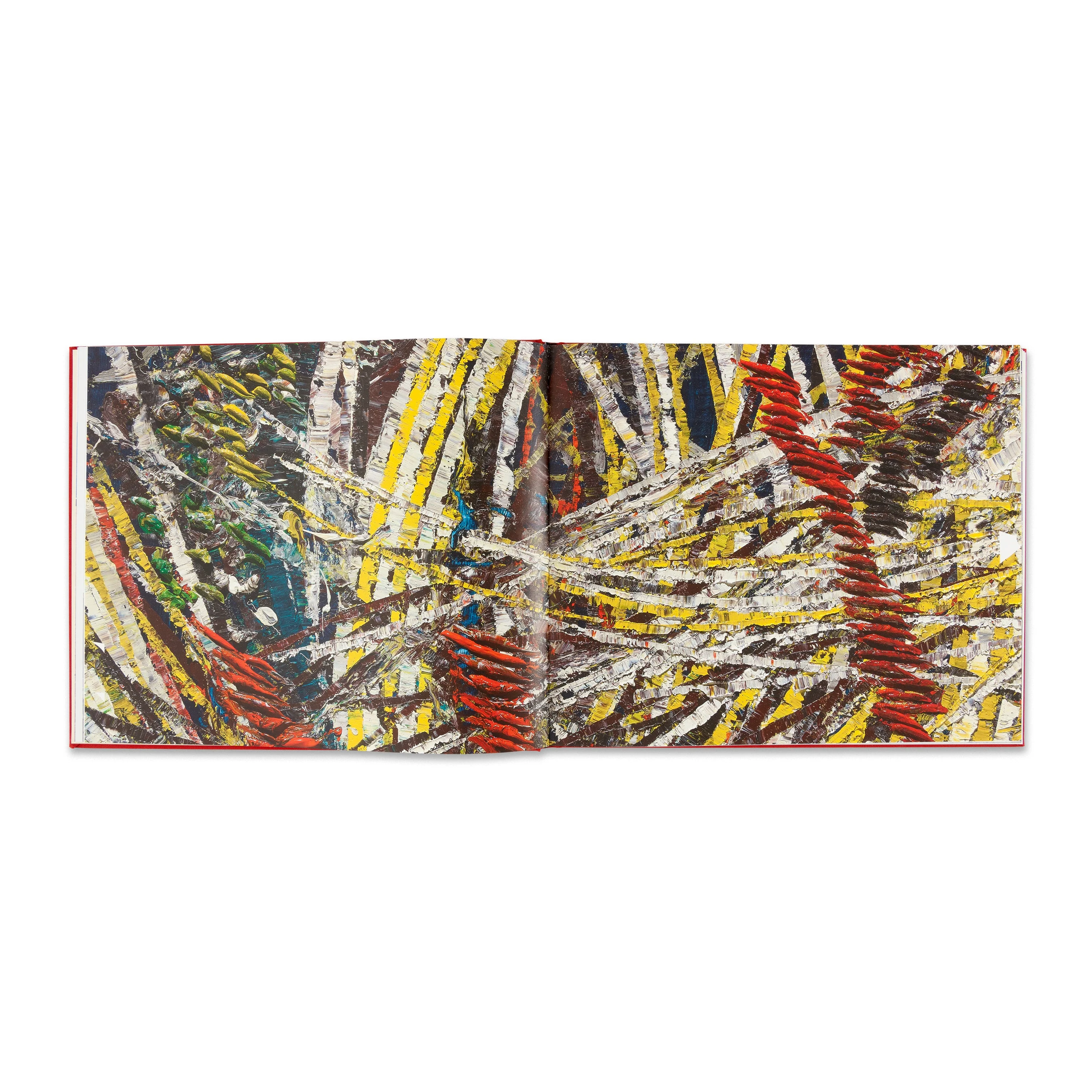
The catalogue reproduces all of Saville’s work as plates and installed amid the elemental forms of the house’s architecture, which frames dramatic vistas of water, stone, and trees. It includes a foreword by Diana Widmaier-Ruiz-Picasso and the essay “The Rainbow of the Flesh” by Emanuele Coccia, which discusses this body of work in terms of iridescent color, anatomical representation, and the exhibition’s unique site.
Original: $80.00
-65%$80.00
$28.00Product Information
Product Information
Shipping & Returns
Shipping & Returns
Description
This book was published on the occasion of Sirens: Jenny Saville at Casa Malaparte, a one-night-only exhibition in July 2021 at Casa Malaparte, the famous cliffside house built on the Italian island of Capri by Curzio Malaparte (the pseudonym of Kurt Erich Suckert), a provocative writer, editor, and intellectual active in the Italian literary and artistic avant-garde. Vibrant and gestural, Saville’s figurative paintings and works on paper included in the exhibition are titled after sirens, goddesses, and other figures from classical mythology. She worked on one monumental work, The Sirens (2021), in situ on Casa Malaparte’s iconic roof terrace overlooking the Bay of Naples—the legendary home of these mythic creatures.
The catalogue reproduces all of Saville’s work as plates and installed amid the elemental forms of the house’s architecture, which frames dramatic vistas of water, stone, and trees. It includes a foreword by Diana Widmaier-Ruiz-Picasso and the essay “The Rainbow of the Flesh” by Emanuele Coccia, which discusses this body of work in terms of iridescent color, anatomical representation, and the exhibition’s unique site.